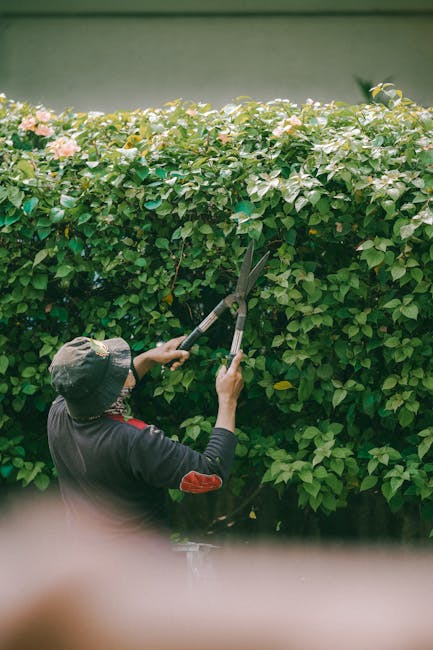
Affordable gardeners in BR2 real cost and quote checklist

If you're trying to hire affordable gardeners in BR2, the hard part is not finding someone willing to quote. It's figuring out what the real cost should look like, what is fair, and what you should actually ask before anyone starts cutting, clearing, trimming, or mowing. Truth be told, a cheap price can be brilliant or a warning sign. Sometimes both at once.
This guide breaks down the real cost and quote checklist in plain English, so you can compare estimates properly, avoid sneaky add-ons, and choose a gardener who fits the job and your budget. Whether you need regular garden maintenance, a one-off tidy-up, or a bigger clearance, this article will help you understand what you're paying for and why.
It's written for BR2 homeowners, landlords, tenants, and anyone staring at an overgrown lawn and thinking, "Right, where do I even start?"
- Why the real cost and quote checklist matters
- How garden pricing usually works in BR2
- Key benefits of comparing quotes properly
- Who this is for and when it makes sense
- Step-by-step guidance for getting a quote
- Expert tips for better results
- Common mistakes to avoid
- Tools, resources and recommendations
- Law, compliance, standards and best practice
- Options, methods and comparison table
- Case study or real-world example
- Practical checklist
- Conclusion
- Frequently asked questions
Why Affordable gardeners in BR2 real cost and quote checklist Matters
Garden work looks simple from the outside. A bit of mowing here, some hedge cutting there, maybe a clear-up after winter. But once you start requesting prices, you'll notice how quickly the numbers can vary. One quote might look low because it excludes waste removal. Another might be higher because it includes labour, fuel, green waste handling, and a return visit. That difference matters.
In BR2, where gardens can range from compact town plots to larger family spaces with hedges, side access, sheds, patios, and awkward corners, the layout of the garden often affects the quote as much as the actual job. A narrow side passage, a steep slope, or heavy bramble growth can add time. And time, as you'd expect, is money.
The checklist approach matters because it gives you a fair way to compare like for like. Without it, you're guessing. With it, you can see whether a quote is genuinely affordable or simply incomplete. That's the whole game, really.
It also helps you avoid paying twice. For example, if a cheap one-off clean-up doesn't include ongoing upkeep, the garden may be back to square one in a month or two. If you want value, not just a low headline number, a structured quote review is essential.
Expert summary: The lowest quote is not always the best value. A proper BR2 gardener quote should explain what is included, what is excluded, how waste is handled, and whether the work is one-off or part of ongoing maintenance.
If you want to see how a professional service presents its wider offering, the services overview is a helpful place to understand the different types of work a gardener may cover, from simple maintenance to more involved outdoor projects.
How Affordable gardeners in BR2 real cost and quote checklist Works
Most garden quotes follow a similar pattern, even if the wording changes. A gardener looks at the size of the space, the amount of work needed, access, disposal requirements, and how quickly the job needs doing. Then they estimate labour time and materials, if any.
For smaller jobs, pricing may be based on an hourly rate. For larger or repeat work, you may see a fixed price per visit or per task. For example, lawn mowing may be quoted differently from hedge trimming or garden clearance, because each job uses different equipment and takes different amounts of time.
Here's the practical bit: an affordable quote should still feel specific. It should not be just "garden work, GBPX." That kind of price can be fine for a quick chat, but not for a decision. You need enough detail to know whether the gardener has understood the actual job.
In a typical BR2 booking, the quote process might include:
- Initial enquiry with a brief description of the garden.
- Photos, measurements, or a site visit if needed.
- A breakdown of the tasks: mowing, weeding, pruning, hedge trimming, clearance, or landscaping.
- Confirmation of waste disposal, equipment, and access arrangements.
- A written or message-based quote with any assumptions clearly stated.
That last part matters more than people think. Assumptions are where costs drift. If a gardener assumes there's easy access but the only route is through a tight side gate and muddy path, the price may change. Not because anyone is trying to be awkward. Just because the job was not described fully at the start.
For regular upkeep, a garden maintenance arrangement can often work out more predictably than one-off callouts. And for seasonal jobs, you may want to combine related tasks, such as hedge cutting and lawn care, so the visit is more efficient.
Key Benefits and Practical Advantages
There are a few clear wins when you use a cost-and-checklist approach instead of simply choosing the cheapest number on the page.
- Better value: you compare true scope, not headline price only.
- Fewer surprises: waste removal, access issues, and extra labour are discussed upfront.
- Cleaner scheduling: you know whether the work is one-off or ongoing.
- More realistic budgeting: easier to plan for seasonal tidy-ups or larger clearances.
- Better outcomes: the garden gets the right level of work, not just the cheapest version of it.
There's also a peace-of-mind benefit. A clear quote usually reflects a more organised service. That doesn't mean every good gardener has a fancy spreadsheet, of course. Some of the best are old-school and practical. But they still know what they're charging for. You can usually feel that within a minute or two of the conversation.
If your garden has become a bit unruly after a wet spell, a properly scoped garden clearance may be more cost-effective than trying to piece the work together job by job. And if the space needs a fresh start, landscaping or planting improvements may be worth discussing after the first tidy-up.
One small but useful advantage: better quotes make it easier to choose the right service level. Do you need a quick mow, or do you need hedge trimming, waste collection, and re-edging too? Once you see the cost split clearly, the answer tends to appear on its own.
Who This Is For and When It Makes Sense
This topic is useful for anyone trying to get their outdoor space under control without overspending. In practical terms, that means:
- homeowners who want a tidy garden without paying for unnecessary extras
- landlords preparing a property for new tenants
- tenants wanting to leave the garden in decent shape
- older homeowners who need a reliable, repeatable maintenance plan
- busy families who have let the garden slide for a season or two
- people with a one-off job after storms, holidays, or a long gap between visits
It also makes sense if you're comparing different types of work. For example, a simple lawn cut may be inexpensive, but once you add hedge trimming, border weeding, and rubbish removal, the labour profile changes quite a bit. The quote should reflect that. Otherwise you end up comparing apples with a wheelbarrow and a rake.
If your outside space includes decking or structural features, it can help to separate garden maintenance from improvement work. A quote for mowing is not the same as a quote for decking services or broader landscaping. Keeping those categories clear protects your budget and avoids crossed wires.
This is especially useful for busy BR2 households where the aim is not to create a show garden. It's simply to keep things neat, healthy, and manageable. Nice and practical. No drama.
Step-by-Step Guidance
If you want a sensible quote and fewer headaches, use a structured process. You do not need to overcomplicate it. Just be clear, honest, and a bit organised.
1. Describe the job properly
Say what needs doing, not just that the garden looks untidy. For example: "Front and back lawn mowing, border weeding, light hedge trim, and removal of clippings." That gives the gardener something useful to price.
2. Share photos or arrange a visit
Photos help for straightforward jobs, but they can hide access issues, uneven ground, or waste volume. If the job is bigger, a short visit is often the safest way to get a realistic quote.
3. Ask what the quote includes
Does the price include labour only, or labour plus waste disposal? Are tools and fuel included? Is there a minimum charge? These details affect the real cost more than people expect.
4. Check whether it is fixed or estimated
A fixed quote gives clarity. An estimate can be fine too, but only if the conditions that may change the price are explained clearly. No one likes surprise add-ons halfway through the job, especially when the hedge is already half-cut.
5. Compare the scope, not just the number
Two quotes can look different because one includes more work. Compare the task list line by line. This is where the checklist pays for itself.
6. Confirm timing and access
Ask when the work can start, how long it is likely to take, and whether someone needs to be home. If there's a side gate code, shared access, or parking restrictions, mention them early.
7. Put the agreement in writing
Even a concise message is better than relying on memory. It should say what is being done, the price, and any assumptions. Simple, but effective.
Expert Tips for Better Results
These are the small things that usually improve the quote and the final job.
- Bundle related tasks together. If the gardener is already on site, adding a hedge trim or border tidy may be more efficient than booking separate visits.
- Choose the right frequency. A garden that gets light attention every few weeks often costs less over time than one left to become a jungle and then rescued in a panic.
- Be honest about condition. If the lawn is thick, the weeds are high, or the beds are full of debris, say so. It saves awkwardness later.
- Ask about green waste handling. Some quotes include it, some do not. This is one of the most common differences between a cheap quote and a fair quote.
- Look for practical fit. A gardener who understands your type of garden is often worth more than a slightly cheaper generalist.
One useful habit: keep a short note of what was done last time. Lawn only? Hedge trim too? Did the team remove waste or leave it bagged? That little record makes the next quote much easier to judge. And yes, it saves you from repeating the same conversation every time, which nobody enjoys.
If your garden sits within a broader outdoor project, it may be worth looking at landscape gardening or landscaping options after the basic maintenance is sorted. Sometimes the cheapest long-term decision is the one that improves how the whole space functions.
Common Mistakes to Avoid
Most problems come from rushing, assuming, or not asking enough questions. Pretty ordinary, really. Here are the big ones.
- Choosing the cheapest quote without checking scope. A low number can hide missing services.
- Forgetting about waste disposal. Clippings, branches, and clearance material can add time and cost.
- Not explaining access problems. Tight side access, parking limits, or locked gates can affect the visit.
- Mixing maintenance and improvement work. Mowing is not the same as tree removal or landscaping.
- Assuming every gardener works the same way. They don't. Some specialise in regular upkeep, others in one-off transformation jobs.
Another one that catches people out: thinking a quote is expensive when it is simply thorough. For example, a service that includes hedge trimming, lawn mowing, and waste removal may look pricier than a bare-bones offer, but it could save time, effort, and a second booking. Cheap can be expensive, as the saying goes. Annoyingly true.
If the work involves taller trees or overgrown branches, check whether you need a specialist service such as tree lopping and removal rather than general garden maintenance. That distinction matters for safety, equipment, and pricing.
Tools, Resources and Recommendations
You do not need fancy software to compare gardeners well. A notebook, your phone camera, and a sensible checklist are usually enough. Still, a few practical tools help.
- Photos of the garden: take wide shots and close-ups of problem areas.
- Simple measurements: lawn size, hedge length, or approximate clearance area.
- A task list: write down exactly what needs doing.
- A note of timing: when was it last maintained, and how urgent is the job?
- Payment preference: know whether you want invoice-style records, staged payment, or one-off settlement.
If you want a more formal look at pricing structure, it can also help to review a provider's pricing and quotes guidance. That kind of page usually shows how a company thinks about scope, value, and what counts as a fair job specification.
For service quality and trust, it is sensible to ask about matters like insurance, health and safety, and payment handling. A professional gardener should be able to explain these without sounding defensive. That's just good business, honestly.
You may also want to look at the provider's insurance and safety approach, especially if ladders, powered tools, sharp edges, or heavier lifting are involved. Not because every garden job is risky, but because some definitely are not just "a quick trim."
Law, Compliance, Standards, or Best Practice
For most domestic garden jobs, the main point is not legal complexity. It is sensible practice. Still, there are a few areas where good standards matter.
Waste handling is one. If cuttings, branches, soil, or removed materials are being taken away, the gardener should handle them responsibly and explain whether removal is included in the quote. If it is not included, you should know before work begins. That avoids confusion and, frankly, grumbling.
Health and safety is another. Even in a small garden, equipment, uneven surfaces, ladders, and wet ground can create avoidable risks. If a gardener uses proper protective equipment, works carefully, and explains limitations, that is a positive sign, not a sales pitch.
It is also best practice to be clear about boundaries. A gardener trimming a hedge is not automatically insured or equipped for major tree work. Likewise, a general tidy-up is not the same thing as a full landscaping project. The right contractor for the right job keeps everyone safer and usually gives better value too.
From a consumer point of view, written quotes, clear descriptions, and transparent payment terms are all good signs. They help protect both sides and reduce misunderstandings later. If you like to read the fine print, the provider's terms and conditions can be worth checking before you book.
And if environmental disposal matters to you, see whether the business talks openly about recycling and sustainability. Many people in BR2 prefer that cuttings and garden waste are handled with care, not just dumped and forgotten.
Options, Methods, or Comparison Table
Below is a simple comparison of common ways people hire gardeners in BR2. It is not about one being perfect and the other terrible. It's about fit.
| Option | Best for | Cost feel | Watch out for |
|---|---|---|---|
| Hourly gardener | Small jobs, uncertain scope, tidy-ups | Can seem affordable at first | Total cost may rise if the work expands |
| Fixed-price one-off visit | Clear jobs with defined tasks | More predictable | Check what happens if the garden is worse than expected |
| Regular maintenance plan | Ongoing care and consistent presentation | Often better value over time | Make sure visit frequency matches growth rate |
| Specialist clearance or landscaping | Overgrown, damaged, or redevelopment jobs | Higher, but often necessary | Do not compare it directly with a basic mow |
There is a pattern here: the clearer the job, the easier it is to quote accurately. The messier the brief, the more likely the final bill needs flexibility. That's normal, but it's better when you know it upfront.
If your space only needs mowing and edge tidy-ups, lawn mowing may be the most cost-efficient starting point. If hedges are the real issue, then a dedicated hedge trimming visit may deliver better value than bundling everything into a vague "garden tidy."
Case Study or Real-World Example
Imagine a BR2 homeowner with a back garden that has been left alone for six weeks of rain, school runs, and general life getting in the way. The lawn is long, the hedge has flared out, and the patio edge has weeds creeping through. Nothing dramatic. Just one of those "I really should sort this" situations.
They contact two gardeners. The first says: "Garden tidy, GBP120." The second says: "Mow front and back lawns, edge borders, trim front hedge, remove clippings, and clear visible weeds from the patio edge, subject to access and waste volume." That second quote may cost more, but it tells you what you are buying.
After checking the checklist, the homeowner realises the first quote does not mention waste removal. It also doesn't say whether the hedge is included. By contrast, the second quote is clearer and likely closer to the final reality of the job. They choose the second gardener, not because it sounds fancier, but because it reduces uncertainty.
A week later, the garden is tidy, the grass has that freshly cut smell in the evening air, and the path looks wider somehow. Small thing, but it makes the whole house feel better. That is often the true value of affordable garden work: not luxury, just relief.
If the garden had been much more overgrown, the same homeowner might have needed a first-pass clearance before maintenance could begin. In that case, a staged approach is often smarter than trying to force everything into one fixed-price visit.
Practical Checklist
Use this checklist before accepting any quote. It keeps you grounded and makes comparisons much easier.
- Have I described the job clearly and specifically?
- Have I shared photos or arranged a viewing if needed?
- Does the quote say exactly what is included?
- Does it mention waste removal, fuel, and equipment?
- Is the price fixed, estimated, or hourly?
- Have I asked about access, parking, and entry to the garden?
- Do I know whether this is a one-off visit or ongoing maintenance?
- Am I comparing similar scopes, not just similar prices?
- Have I checked payment expectations and timing?
- Do I feel comfortable that the gardener understands the job?
Quick rule of thumb: if you cannot explain the quote in one sentence, it probably needs more detail.
And if you want help planning the type of work your garden needs, the provider's about us page can give a better sense of the team behind the service, while contact us is the sensible next step when you are ready to ask for a quote. There's no need to overthink that bit.
Get a free quote today and see how much you can save.
Conclusion
Affordable gardeners in BR2 are not just about finding the lowest number. They are about finding the right balance of cost, clarity, reliability, and scope. Once you understand what actually drives pricing, you can ask better questions and avoid the usual traps.
The best approach is simple: describe the job clearly, compare quotes line by line, and make sure the work matches your expectations before anyone starts. That alone will save a lot of hassle. Probably more than you think.
In the end, a good garden quote should make life easier, not more confusing. If it does that, you're on the right track. And when the garden is finally back under control, you do notice the difference. The whole place breathes a bit easier.
Frequently Asked Questions
How much do affordable gardeners in BR2 usually cost?
It depends on the size of the garden, the type of work, access, and whether waste removal is included. A simple mow is usually priced very differently from clearance, hedge trimming, or a broader maintenance visit. The key is to compare like for like.
What should be included in a gardener's quote?
A useful quote should explain the tasks included, whether labour and tools are covered, how waste will be handled, and whether the price is fixed, hourly, or estimated. If any of that is vague, ask for clarification before booking.
Is the cheapest quote always the best value?
Not usually. The cheapest price can leave out waste disposal, extra labour, or important tasks like edging and pruning. A fair quote is often the one that clearly explains what you will actually receive.
Should I choose a one-off visit or regular garden maintenance?
If your garden grows quickly or you want it to stay tidy year-round, regular maintenance is often better value over time. If the garden just needs a reset, a one-off tidy-up or clearance may be enough.
Do I need to provide photos before getting a quote?
Photos are very helpful, especially for straightforward jobs. They allow a gardener to judge the size of the task and spot possible access issues. For larger or more complex gardens, a visit may still be needed.
Why do gardener quotes differ so much in BR2?
Because no two gardens are quite the same. Access, overgrowth, waste volume, equipment needs, and the number of tasks all affect the price. One gardener may also include more in the quote than another.
What if the garden is more overgrown than I expected?
That happens a lot, especially after wet weather or a busy season. In that case, a clearance-first approach may be more realistic than asking for a standard maintenance visit. It is better to be honest about the condition early on.
Can a gardener quote without visiting the property?
Yes, for smaller or straightforward jobs, especially if you provide good photos and a clear description. But if the garden has difficult access, heavy waste, or unusual features, a visit usually leads to a more accurate price.
What questions should I ask before booking?
Ask what is included, whether waste removal is extra, how long the work will take, whether the price is fixed, and what happens if the job turns out to be bigger than expected. Those questions usually reveal the quality of the quote very quickly.
Is hedge trimming normally separate from lawn mowing?
Often yes. They are different tasks with different time and equipment needs. A gardener may quote them together or separately, but it helps to know which parts of the job are included.
How do I know if a gardener is a good fit for my garden?
Look for clear communication, a sensible breakdown of tasks, and a quote that reflects your garden's actual condition. If they ask good questions, explain their pricing properly, and do not rush you, that is usually a good sign.
What if I only need a quick tidy-up before visitors arrive?
Say that upfront. A short, focused job may be enough, especially if you only need the lawn cut, borders neatened, and visible mess removed. That kind of clarity helps the gardener work efficiently and keeps the quote realistic.